




SPEAKERS / HONOREES
-Select:
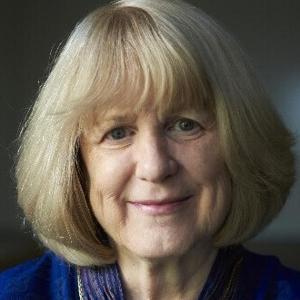
BRCA1 Discovery Pioneer
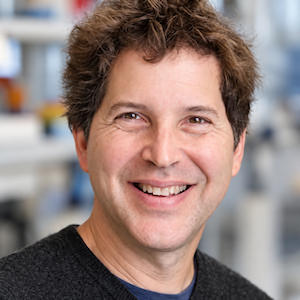
PMWC 2027 LUMINARY HONOREE
2024 Nobel Laureate

PMWC 2027 J. CRAIG VENTER VISIONARY HONOREE
Nobel Laureate (CRISPR)
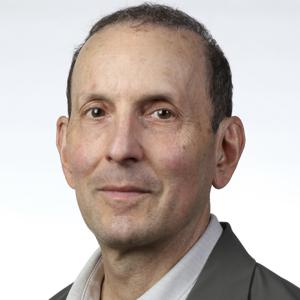
PMWC 2027 PIONEER HONOREE
2025 Breakthrough Prize (GLP-1)
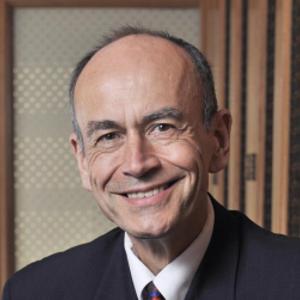
PMWC 2027 PIONEER HONOREE
Nobel Laureate
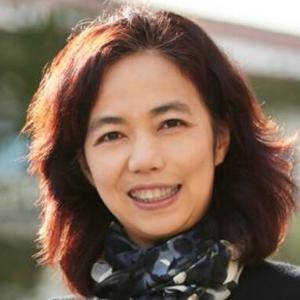
PMWC 2027 PIONEER HONOREE
Godmother of AI
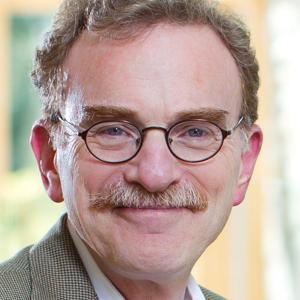
PMWC 2027 PIONEER HONOREE
Nobel Laureate
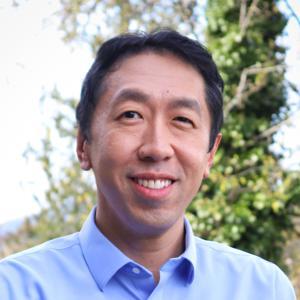
PMWC 2027 LUMINARY HONOREE
Google Brain Founder


15-MINUTE PRESENTATIONS

AUDIENCE: UP TO 200 INVESTORS, POTENTIAL CLIENTS AND PARTNERS
Apply by FEB. 23RD!
The Foremost Precision Medicine Conference
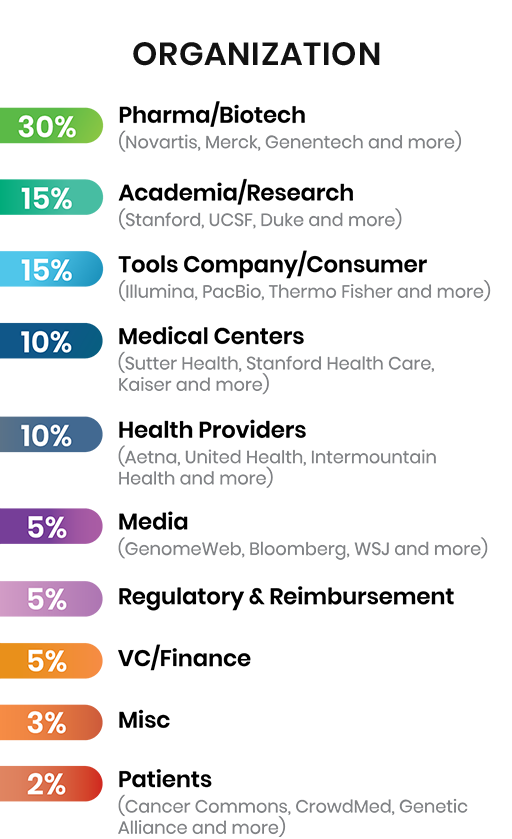
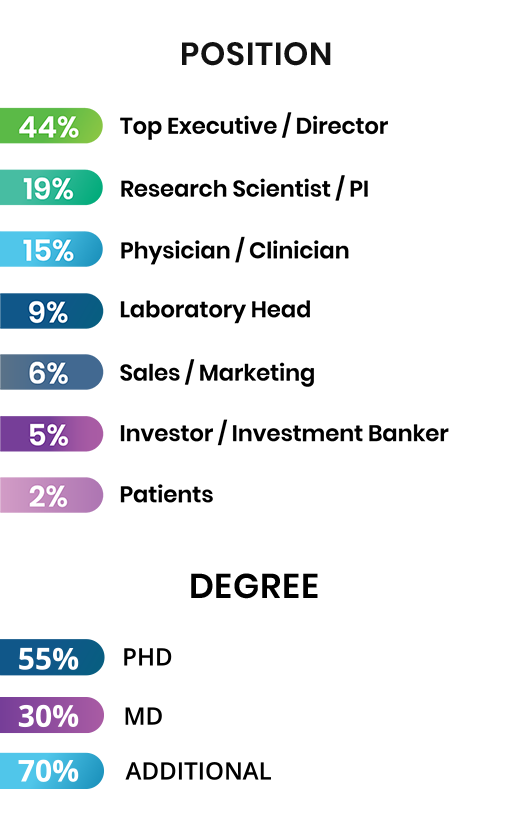
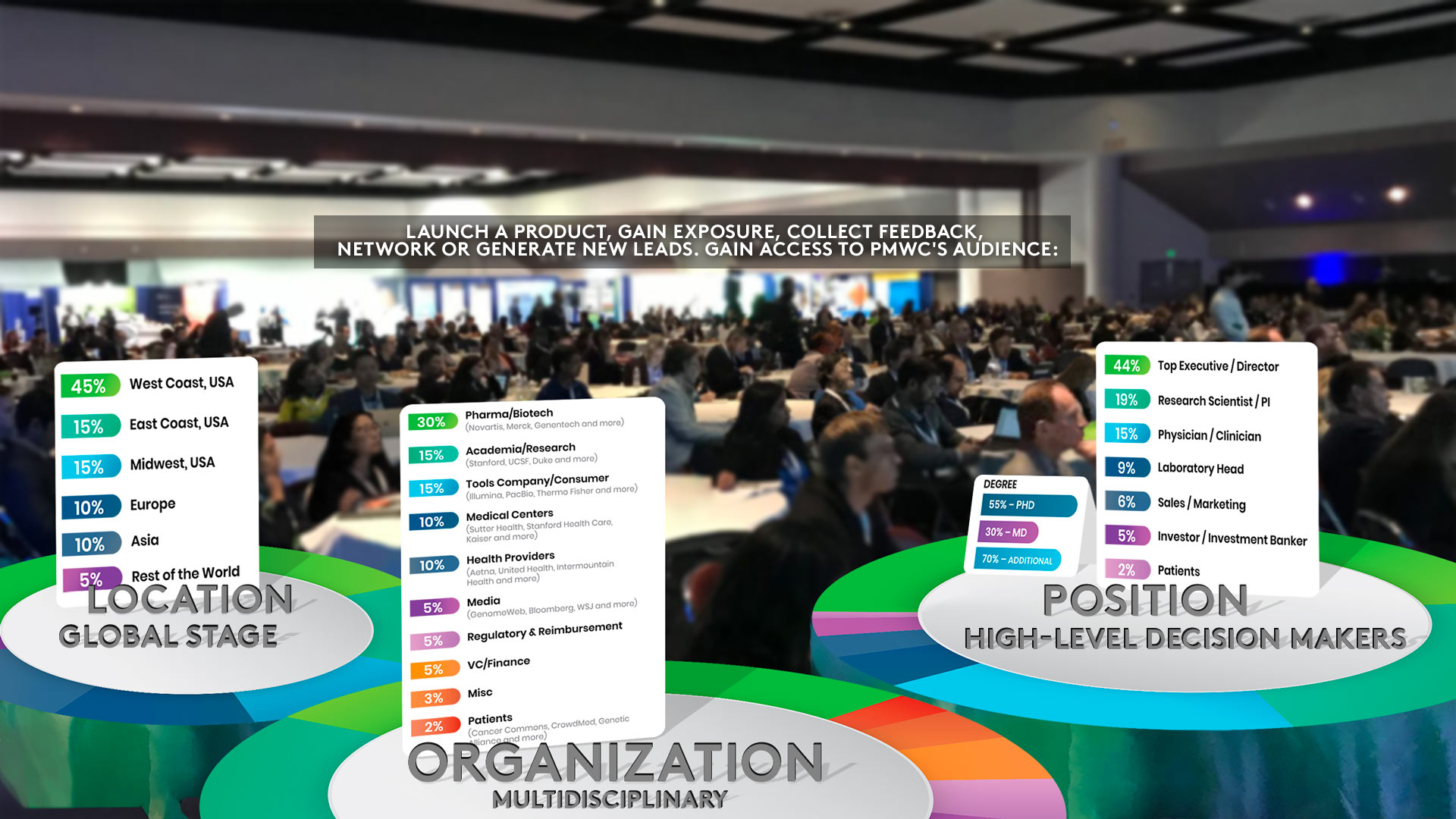
• Gathering recognized leaders, top global researchers and medical professionals, plus innovators across healthcare and biotechnology sectors
• Showcasing latest practical content that helps close the knowledge gap among different sectors
• Promoting cross-functional fertilization & collaboration to accelerate Precision Medicine
• Main Tracks and Showcases (6 Total) that provide a mix of established and upcoming perspectives
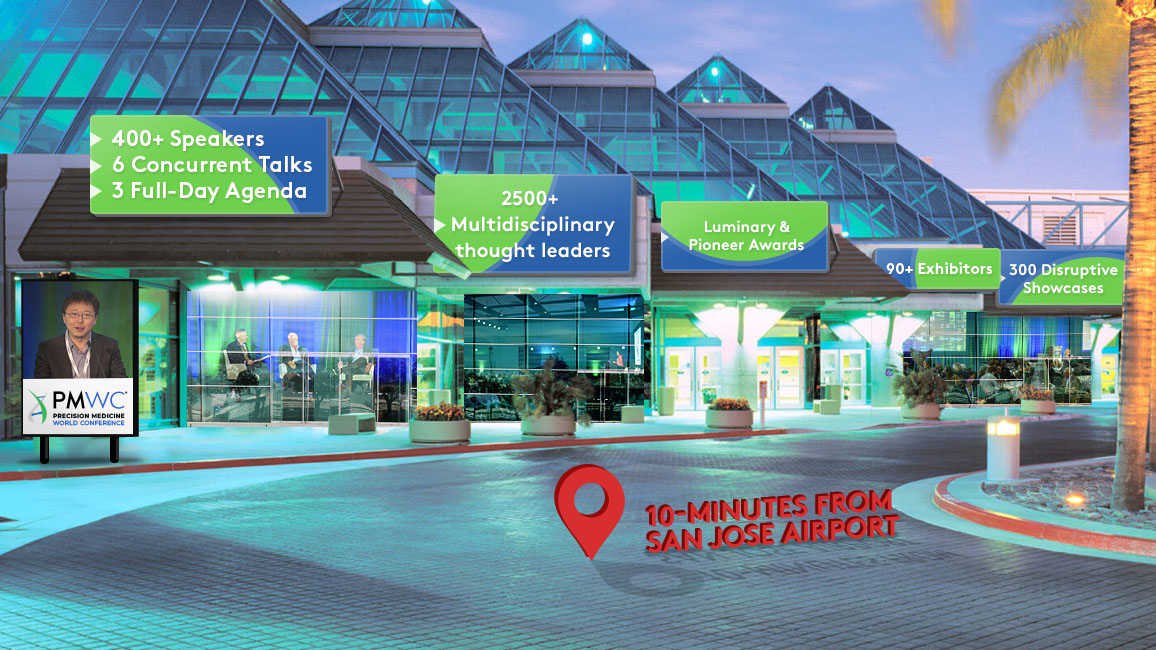
• Luminary and Pioneer Award Ceremony honoring those who transform health care by advancing precision medicine in the clinic
PMWC provides a valuable insight for physicians and others who may be wondering
how close we are getting to realizing the arrival of personalized medicine.The conferences are helpful in understanding where and how the envelope is being pushed.
Peter Paul Yu, MD, FACP, FASCO, Immediate Past President, ASCO
PMWC provides a valuable insight for physicians and others who may be wondering
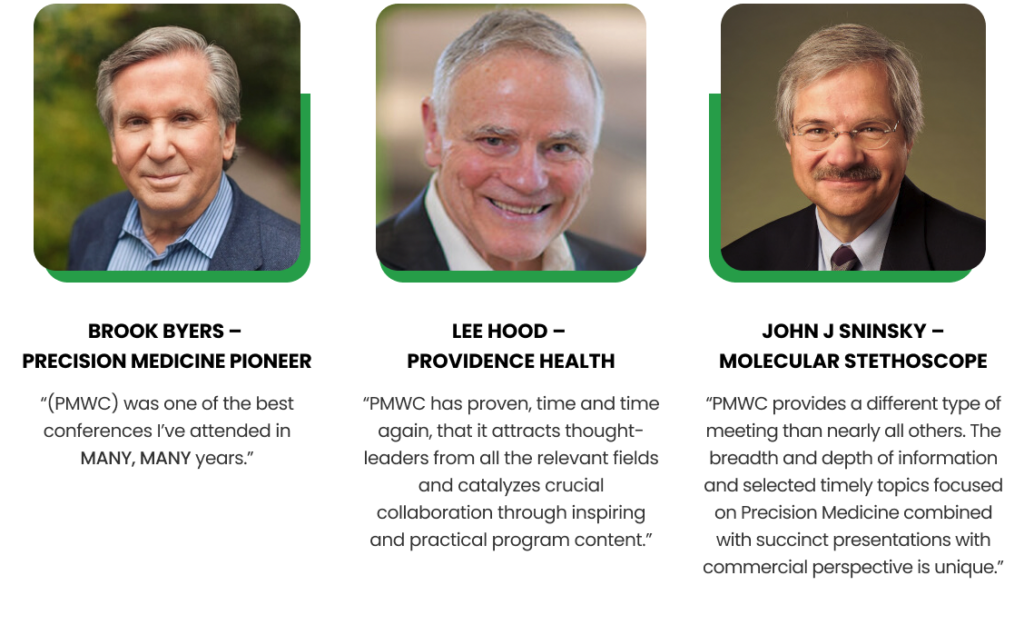
from all the relevant fields and catalyzes crucial collaboration through inspiring and practical program content. This is the Conference for entrepreneurs to meet payors, and for researchers to connect with service providers and for clinicians to hear from leading providers.
Lee Hood, PhD, MD, President, Institute for Systems Biology

DAYS LARGEST PRECISON MEDICINE
CONFERENCE IN THE WORLD

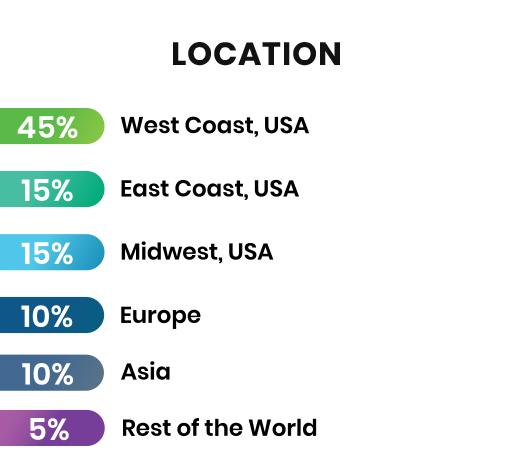
ATTENDEES FROM 35 COUNTRIES

EXHIBITORS
IN DEDICATED EXHIBIT HALL

PARALLEL TRACKS,
400+ SPEAKERS
REGISTRATION
Tickets to PMWC - Est. 2009
Loading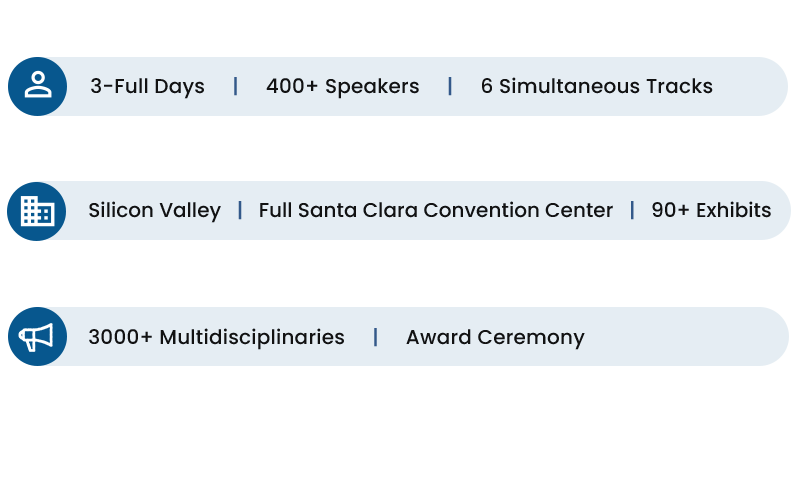

Receive the latest news about the field of precision medicine and the conference from Tal Behar, PMWC’s President:
Interview with Randy Schekman, PhD, UC Berkeley
Nobel Laureate
Drug Delivery, Endosomal Escape and the Search for New Fusogens
Professor of Molecular and Cell Biology, UC Berkeley | 2013 Nobel Laureate in Physiology or Medicine
Responses to interview questions from Tal Behar, Precision Medicine World Conference
Schekman's discoveries helped explain the machinery cells use to package and transport cargo. In this interview, he considers a central challenge for therapeutic delivery: ensuring that proteins and RNA reach the places inside a cell where they need to act.
Extracellular vesicles (EVs) are small, membrane-enclosed particles released by cells. Researchers are exploring them as delivery vehicles, but their cargo can remain trapped after a cell takes them up. Schekman discusses this barrier and how AI might help identify proteins that enable membrane fusion.
01
Cell Entry and Cargo Delivery: Why the distinction matters
A vesicle being taken up by a cell does not establish that its proteins or RNA reached the cytoplasm or nucleus. Schekman emphasizes the limited evidence for efficient delivery and the need to quantify what actually reaches those destinations.
The major misconception I see is the continued belief that extracellular vesicles deliver cargo proteins and RNA into the cytoplasm or nucleus. There is very little evidence for efficient delivery and where the efficiency has been properly quantified it is typically below 1%. The problem is that unlike enveloped viruses, EVs lack a membrane fusogen which would be required for the EV membrane to fuse at the cell surface or after internalization into an endosome.
Additional context from Schekman's PMWC talk abstract: He distinguishes ordinary EVs from EVs engineered to carry a viral or endogenous human fusogen, which he notes can deliver cargo efficiently.
02
Escaping the Endosome: The barrier beyond tissue targeting
For delivery beyond the liver, Schekman identifies escape from the endosome, a membrane-bound compartment inside the cell, as the hardest barrier.
Escaping the endosome as described in my answer to #1.
03
A Role for AI: Searching for new membrane-fusing proteins
A fusogen enables membranes to fuse. Schekman sees a possible role for AI in identifying previously unrecognized fusogens through their predicted structure, while the natural delivery process and the relevant protein remain to be established.
There may be specialized circumstances in which an endogenous fusogen is employed to deliver cargo from an EV. Such a dedicated process and the relevant fusogen remain to be identified. AI might help in detecting novel fusogens that are not homologous in sequence but possibly in predicted structure to known viral fusogens.
PMWC 2027 | JANUARY 28
Meet Randy Schekman at PMWC 2027
Randy Schekman will receive the PMWC 2027 Pioneer Award on Thursday, January 28, 2027.
- 9:00 AM Pioneer Award ceremony
PMWC 2027 Silicon Valley | January 27–29 | Santa Clara Convention Center
Speaker profile: Randy W. Schekman, PhD
- 04 Nov ,2026
The long road to teplizumab and what comes next in autoimmunity
UCSF Distinguished Professor Emeritus | Managing Director, Vie Ventures
PMWC 2027 Silicon Valley | Thursday, January 28 | Track 5: Precision Immunology: Autoimmune & Inflammatory Disease
01
Bluestone traces the journey from the original anti-CD3 work through clinical setbacks, industry partnerships and eventual approval, then outlines what that experience means for the next generation of tolerance therapies.
The setbacks were many over the 40 years of development. OKT3g1(Ala-Ala) was developed in 1986. They came down to three core issues: five different companies with varying degrees of commitment, poor clinical trial design, and lack of a champion in the industry.
The drug started as a collaboration with Ortho Pharmaceutical/J&J, built on the background of OKT3. The work involved two scientists, Bob Zivin and Linda Jolliffe, with humanization by John Adair at Celltech. Unfortunately, Ortho decided to give up monoclonal antibodies as therapeutics. Even after they acquired Centocor, there was no interest in moving forward.
This cost us 10 years, although I was able to get access to the drug and make product for early phase I studies and phase II trials supported by the Immune Tolerance Network, with support from NIAID and JDRF. Kevan Herold was essential, as he conducted the clinical trial.
We then licensed the drug to MacroGenics. They were very engaged and motivated to develop it. In partnership with Lilly, MacroGenics started a phase III trial in stage 3, or recent-onset, type 1 diabetes. At the same time, a second company, Tolerx, was developing a similar Fc receptor non-binding, low-toxicity anti-CD3 monoclonal antibody.
The competition led to a large, complex clinical trial that required 300 sites and 500 patients in multiple arms, including sites and patients in India and Eastern Europe. The trial failed to meet its primary endpoint, and Lilly immediately terminated the partnership. However, further post-hoc analysis suggested that the primary endpoint was met if the analysis was limited to US patients.
At that point, MacroGenics agreed to out-license teplizumab to another company or a new company. But, not being a business development person, I found it very difficult.
By a stroke of luck, I met Leni Ramos, a previous chief medical officer at the Immune Tolerance Network, in New Orleans. She was at a meeting with members of her leadership team from a new company, Provention Bio. I suggested they might be interested in teplizumab. After multiple meetings and a meeting of the minds with the CEO at MacroGenics, teplizumab was licensed to Provention Bio.
In the process of replicating the phase III trial, data became available from a stage 2, "prevention" trial conducted by TrialNet, a consortium supported by NIDDK. The results showed that teplizumab could delay disease onset in high-risk stage 2 patients for two to three years. These data led to the approval of teplizumab in November 2022, some 35 years after development.
More recently, the results of the stage 3 new-onset trial led to a label expansion for this population, making the drug available to more people with early-stage disease or a recent diagnosis.¹
As for the next wave, this was the first disease-modifying immunotherapy for type 1 diabetes. In many ways, it has opened the floodgates. Approaches include novel anti-CD3 monoclonal antibodies, in one case given intranasally; antigen-based peptide therapies; antibodies against novel targets such as CD40L; and potentially tolerogenic cell therapies, including CAR- and TCR-Tregs and CD19 CAR-T cells.
02
More efficient manufacturing, potential allogeneic approaches and in vivo strategies could help broaden access. Vie Ventures is looking beyond individual diseases to common autoimmune pathways.
Treg cell therapies are a new field, and there are many areas where these therapies can be improved to provide greater access. This includes the potential for allogeneic therapies, assuming the immunogenicity issue can be resolved; more efficient manufacturing using automation and shorter or more efficient culture conditions; and even the potential for in vivo gene therapy, using novel approaches to ensure that expression of the target receptor, CARs or TCRs, is limited to Tregs.
Vie Ventures is committed to supporting companies in the autoimmune and inflammatory space, including startups and companies with drug candidates that need resources to tackle autoimmunity. One key aspect is that we look for innovative therapies that tackle core pathobiological pathways likely to be shared by multiple autoimmune diseases, not unlike anti-CD3, Tregs and similar approaches. Tolerance remains the Holy Grail for these treatments, but Vie is not restricted to tolerogenic approaches.
03
Earlier diagnosis and intervention may be possible across multiple autoimmune diseases as biomarkers identify patients before major clinical manifestations.
Multiple autoimmune diseases are in the mix for early intervention, given recent data identifying patients with disease before major clinical manifestations. These include rheumatoid arthritis, celiac disease, autoimmune Addison's disease, systemic lupus erythematosus, systemic sclerosis and autoimmune thyroid disease.
PMWC 2027 | JANUARY 28
Thursday, January 28 | Track 5: Precision Immunology: Autoimmune & Inflammatory Disease
- 9:00 AM Luminary Award ceremony
- 11:00 AM Beyond Broad Immunosuppression: Tolerance, Tregs, and Disease Modification
- 1:00 PM Turning Biomarkers on Their Head: What We Can Measure Before We Can Predict
January 27–29, 2027 | Santa Clara Convention Center
Co-hosted by Stanford, UCSF and Yale
¹ Editorial clarification: The 2026 US stage 3 indication covers patients aged 8–17 and delays the decline in endogenous insulin production; it received accelerated approval. The stage 2 indication includes patients aged 1 year and older. FDA prescribing information (June 2026).
- 23 Oct ,2026
Samir Hanash, The University of Texas MD Anderson Cancer Center | PMWC 2027 Silicon Valley, Track 3, Day 1, Session 2: The End of One Size Fits All
1
Hanash argues that reducing cancer deaths starts with determining who is at risk and for which cancer. He points to blood-based risk assessment across nine common cancers as a way to personalize screening and potentially enable prevention.
2
For broad clinical adoption, Hanash calls for test performance to be calibrated for each cancer type. Mortality reduction remains the ultimate goal, with cost effectiveness and potential health care savings also part of the evaluation.
3
Hanash sees proteomics as essential for characterizing proteins and their locations. As vast proteomic datasets are combined with other omics and individual characteristics, AI becomes critical to translating that complexity into useful discoveries.
- 07 Oct ,2026
#PMWC23
Follow PMWC on these social networks
#PMWC20
Follow PMWC on these social networks
PMWC Overview
Overview
PMWC, the “Precision Medicine World Conference” is the largest & original annual conference dedicated to precision medicine. PMWC’s mission is to bring together recognized leaders, top global researchers and medical professionals, and innovators across healthcare and biotechnology sectors to showcase practical content that helps close the knowledge gap between different sectors, thereby catalyzing cross-functional fertilization & collaboration in an effort to accelerate the development and spread of precision medicine.
Since 2009, recognized as a vital cornerstone for all constituents of the health care and biotechnology community, PMWC provides an exceptional forum for the exchange of information about the latest advances in technology (e.g. DNA sequencing technology), in clinical implementation (e.g. cancer and beyond), research, and in all aspects related to the regulatory and reimbursement sectors.
Testimonials